Services
Industrial Process Piping and Mechanical Maintenance for Facilities
Industrial Process Piping
- Carbon steel, stainless steel, and specialty piping systems
- Process modifications, tie-ins, and reroutes
- Valve replacements and piping repairs
- Equipment connections and piping upgrades
Mechanical Maintenance & Repair
- On-call mechanical support for operating facilities
- Preventive and corrective maintenance
- Emergency leak and failure response
- Small capital and repair projects
Shutdown & Outage Support
- Planned shutdown and outage execution
- Pre-shutdown planning and field support
- Fast-turn repairs during limited downtime windows
Gas Distribution / Pipeline
- Licensed State of MD Master Gas Fitter
- Hot taps / punch tee’s
- Valve replacements and piping repairs
- Equipment connections and piping upgrades
-
Servicing gas equipment & performing emergency repairs
Mobile Welding / Fabrication
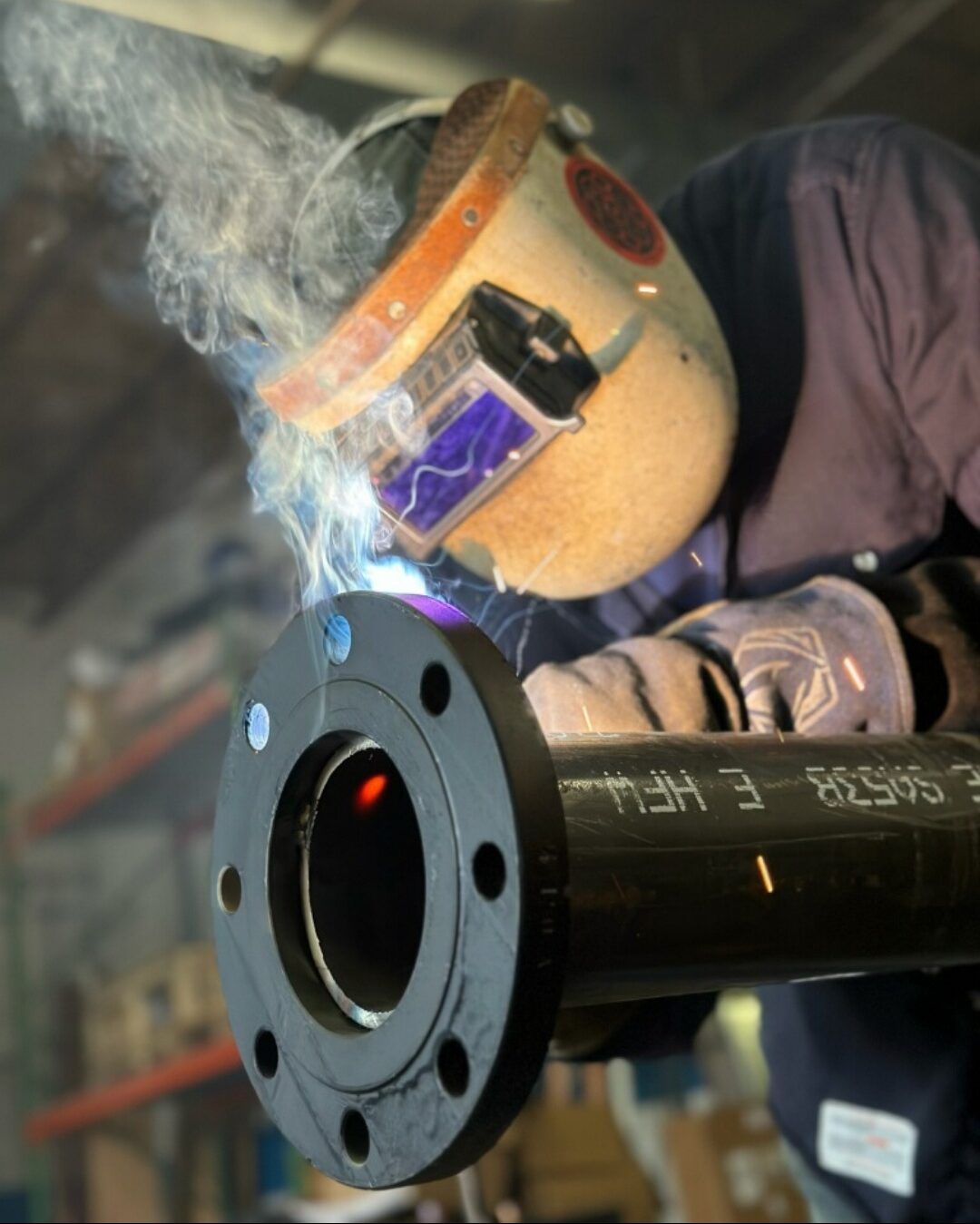
- On-site mobile welding & fabrication
- Emergency Repairs or Scheduled Maintenance
- Certified ASME / UA welders
Medical Gas / High Purity Welding
- ASSE 6010 Medical Gas Installer Certified
- Medical Gas system installer
- Orbital Welding / High Purity Heli-arc
PROCESS PIPING
We install and modify engineered process piping systems, and support engineers with constructability and shutdown planning.
We are certified in various processes of high purity welding. We offer orbital welding, autogenous, and high purity heli-arc welding. We have the experience and expertise to ensure the quality you demand.
FACILITY MAINTENANCE
We provide ongoing mechanical and piping maintenance for facilities that can’t afford unplanned outages. Planned and emergency maintenance support.
SHUTDOWNS & TURNAROUNDS
Planned outages are a large part of the work we provide to facilities. When ongoing & emergency repairs are hurting your facility, schedule a planned outage to get your systems operating properly.
GAS DISTRIBUTION / PIPELINE
IWS is licensed in the State of Maryland to perform natural gas distribution services. We partner with pipeline contractors across the state to support gas distribution efforts for BGE / Exelon and Washington Gas services.
MOBILE WELDING
IWS provides mobile welding capabilities to our customers. Whether you need fabrication performed on-site at your facility or you would like us to pre-fabricate items, we have the ability to help all our customers regardless the scope of your project.
MEDICAL GAS
We install medical gas systems for healthcare facilities by our certified medical gas system installers. All piping systems are managed with a high level of expertise.
DESIGN | BUILD
Providing turnkey mechanical systems while managing your project budget, schedule, and construction processes.
Whether you require assistance as you walk through the design process of your project, or you have a vision you’d like to consult with us on, we can integrate your specific requirements.
GENERAL FABRICATION
Let us bring your idea or design to life. General welding & fabrication services are a core component of what we do.
We are experts in the custom fabrication of carbon steel, stainless steel, and other exotic materials for any commercial or industrial application.
Common Issues We See in Operating Facilities
Most of the facilities we work in aren’t dealing with brand-new systems. They’re running equipment that’s been modified, patched, and repaired over years, sometimes decades, while production never really stops. That’s where a lot of problems start to show up.
One of the most common issues we see is repeated temporary repairs. A leak gets fixed just enough to get the system back online, but the underlying issue never gets addressed. Over time, those quick fixes stack up and turn into bigger failures, unplanned outages, or safety concerns.
We also run into aging or unsupported piping that’s seen better days. Corrosion under insulation, thinning pipe wall thickness, outdated materials, and unsupported runs are especially common in older facilities that have gone through multiple process changes without full system upgrades.
Another big one is limited access and tight working conditions. A lot of systems were never designed to be serviced easily, especially after years of retrofits. Poor access leads to rushed work, lower quality repairs, and higher risk during maintenance.
Finally, we see deferred maintenance due to production pressure. When uptime is everything, maintenance gets pushed back. That’s understandable, but it often means small, manageable issues turn into emergency repairs at the worst possible time.
Our role is to help facilities get ahead of these problems, whether that’s during planned outages, off-season maintenance, or targeted repairs that actually solve the issue instead of kicking it down the road.
Why These Systems Fail Over Time
Most system failures don’t happen overnight. They’re usually the result of small issues stacking up over years while the facility keeps running.
As processes change, piping gets modified, rerouted, or repaired. Those changes often happen in phases, under time pressure, and sometimes with limited access. What starts as a clean, well-designed system slowly turns into something that’s harder to support, harder to inspect, and harder to maintain.
Another big factor is operating conditions. Heat cycles, vibration, chemicals, and constant use all take a toll. Even quality installations will wear over time, especially in facilities that run 24/7. Add in insulation that hides corrosion or components that haven’t been visually inspected in years, and problems can go unnoticed until they become failures.
Maintenance schedules also play a role. When uptime is critical, repairs are often made to restore operation as quickly as possible. That keeps production moving, but it can also mean underlying issues don’t get fully addressed. Over time, temporary repairs become permanent, and risk quietly increases.
Eventually, systems reach a point where they’re no longer failing because of a single bad component — they’re failing because the system as a whole hasn’t been given the attention it needs.
Our approach is to identify those risks early and address them in a way that fits the facility’s operating reality — planned, controlled, and with minimal disruption.